


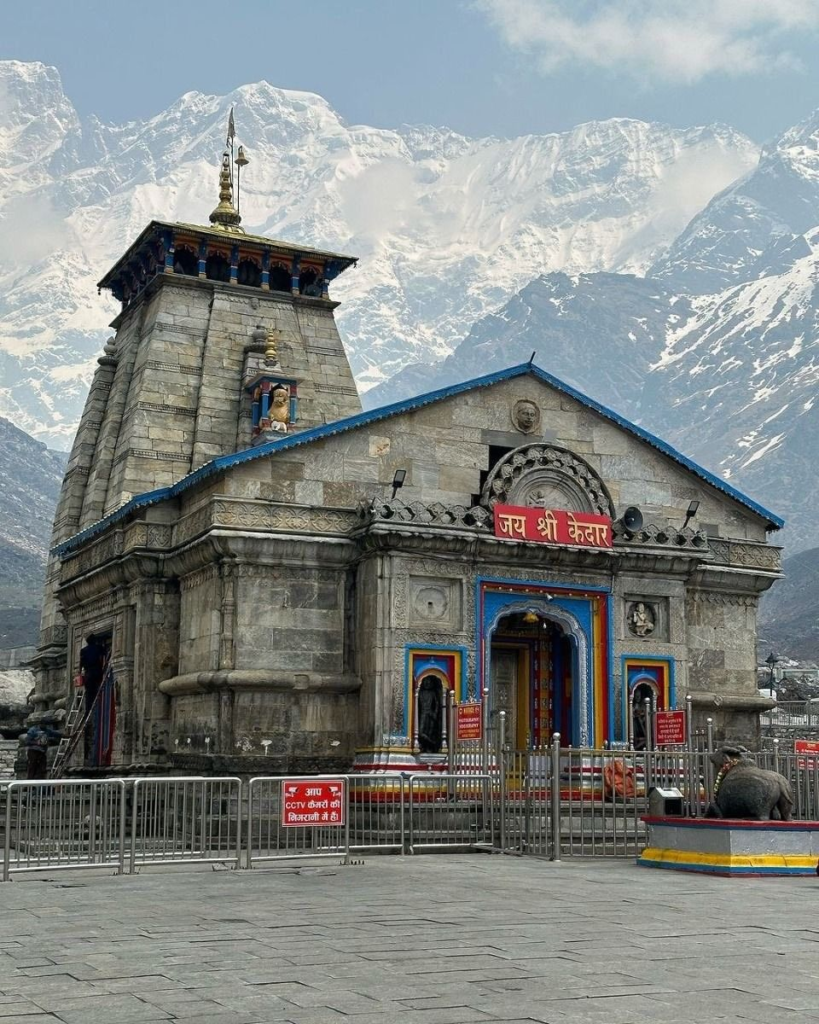
Kedarnath is one of the most revered pilgrimage destinations in Uttarakhand and an important part of the Char Dham Yatra. Located high in the Garhwal Himalayas at an altitude of around 3,580 metres, Kedarnath is known for the sacred Kedarnath Temple, dramatic mountain landscapes and the spiritual atmosphere surrounding the Mandakini Valley.
Choosing the right time to visit Kedarnath is important because the weather and accessibility in the Himalayan region change significantly throughout the year. The official Uttarakhand Tourism website currently lists May to October as the best time to visit Kedarnath. During winter, heavy snowfall makes the high-altitude shrine area inaccessible and the temple remains closed for the winter season.
If you are planning your Kedarnath Yatra, understanding the weather, pilgrimage season and travel conditions can help you prepare for a safer and more comfortable journey.
Best Time To Visit Kedarnath
For most travellers and pilgrims, May to October is the main period to plan a visit to Kedarnath. This is the period identified by Uttarakhand Tourism as the best time to visit. However, conditions can vary during these months, so travellers should check current weather and official travel information before starting their journey.
The experience can also be different depending on whether you travel during the early pilgrimage season, monsoon months or the later part of the season.
Kedarnath in May and June
May and June are among the most popular months for visiting Kedarnath. The pilgrimage season is active, and travellers generally plan their journeys during this period because the weather is more suitable than the winter months.
The surrounding Himalayan landscape can look particularly beautiful during this time, with mountain views and fresh greenery along lower sections of the route. Kedarnath itself remains a high-altitude destination, so visitors should still be prepared for cold conditions.
These months can also be busy because many pilgrims choose the early summer period for their Kedarnath Yatra. If you are travelling with family or a group, planning transportation and accommodation in advance is useful.
The official Uttarakhand Tourism website describes the Kedarnath trek from Gaurikund as a popular route and notes that the trail passes through forests, mountains and waterfalls.
Visiting Kedarnath in July and August
July and August fall during the monsoon season in Uttarakhand. While Kedarnath can still be visited during the pilgrimage season, monsoon travel requires additional planning because rainfall can affect roads, trekking conditions and travel schedules.
Mountain weather can change quickly, and heavy rain can create challenging conditions on roads and trekking routes. Travellers planning a monsoon trip should check the latest weather forecast and official travel advisories before departure.
If your schedule is flexible, you may prefer another part of the official May–October visiting window depending on current conditions.
It is particularly important not to assume that Himalayan travel conditions will remain the same every year. Weather and local conditions can change, so checking official updates before travelling is recommended.
Kedarnath in September and October
September and October are also popular months for travelling to Kedarnath. After the main monsoon period, travellers may find more suitable conditions depending on the weather during their travel dates.
The surrounding mountains provide beautiful scenery, while the pilgrimage atmosphere continues during the open season.
October can be particularly important for travellers because the Kedarnath shrine closes for the winter season around the onset of winter. The exact closure date changes according to the annual religious calendar and official arrangements, so visitors should check the current year’s schedule before making final travel plans.
Uttarakhand Tourism explains that the high-altitude Char Dham shrines generally remain closed for around six months during winter and reopen in spring or early summer.
Is Kedarnath Open During Winter?
Kedarnath is not normally accessible as a regular pilgrimage destination during the winter months because of heavy snowfall and severe high-altitude conditions.
The official Uttarakhand Tourism information states that Kedarnath town remains closed during winter because of heavy snowfall. During this period, the worship associated with Lord Kedarnath continues at the winter seat in Ukhimath.
For this reason, travellers should not plan a normal Kedarnath Temple visit in the middle of winter without checking the latest official information.
Kedarnath Weather and Travel Conditions
Kedarnath is situated at a high altitude, so temperatures can be significantly lower than in the plains. Weather conditions can change quickly, particularly in the mountains.
Travellers should pack according to the season and be prepared for cold weather even when travelling during the main pilgrimage months.
Useful items include:
- Warm layers and a waterproof jacket
- Comfortable trekking shoes
- Gloves and warm socks
- Personal medicines
- Basic first-aid supplies
- Valid identification
- Yatra registration details
- Water bottle
- Sunglasses and sunscreen
- Essential toiletries
Because the journey involves walking at high altitude, travellers should also allow sufficient time for rest and avoid rushing through the route.
How Long Is the Kedarnath Trek?
The Kedarnath trek is one of the most important parts of the pilgrimage. Uttarakhand Tourism describes the route from Gaurikund to Kedarnath as approximately 16 km and notes that it is a medium-to-steep trek.
The route passes through mountain scenery, forests and waterfalls. The actual walking time can vary depending on fitness, weather, crowd conditions, rest breaks and the pace of the traveller.
It is a good idea to begin the journey with enough time and keep your schedule flexible.
Where to Stay Before Kedarnath Yatra
Accommodation is an important part of planning a Kedarnath trip, especially during busy pilgrimage periods.
Travellers visiting the region can consider staying in Sersi before continuing their journey. Buzz Eco Resort Sersi is an accommodation option for travellers looking for a stay in the Sersi area while planning their Kedarnath journey.
Booking accommodation ahead of time can make the trip more organized, particularly when travelling during the busy pilgrimage season. It also gives travellers a place to rest before continuing their journey through the Himalayan region.
When choosing accommodation, consider factors such as location, accessibility, room facilities, meals, parking and your planned travel route.
What Is the Best Month for Kedarnath?
There is no single month that is perfect for every traveller because the ideal timing depends on weather, pilgrimage plans and personal preferences.
May and June: Suitable for travellers who want to visit during the early summer pilgrimage period.
July and August: Monsoon months, requiring additional attention to weather and road conditions.
September and October: Often considered a useful period within the main pilgrimage season, but travellers should still check current conditions and the annual temple schedule.
The official Uttarakhand Tourism website currently identifies May to October as the best overall period for visiting Kedarnath.
Tips for Planning a Kedarnath Trip
Check Official Updates
Before travelling, check the latest information from Uttarakhand Tourism and other official authorities regarding temple opening dates, weather, road conditions and pilgrimage arrangements.
Register for the Yatra
Complete the required Yatra registration before beginning your pilgrimage. Keep the registration information accessible throughout your journey.
Book Accommodation Early
During popular pilgrimage periods, accommodation can become busy. If you plan to stay in Sersi, arrange your accommodation before travelling.
Carry Suitable Clothing
Do not rely only on the weather at your starting point. Kedarnath is located at a much higher altitude, so warm clothing remains important.
Keep Your Schedule Flexible
Mountain journeys can be affected by weather and road conditions. Avoid making a very tight travel schedule.
Take Care During the Trek
The Kedarnath route includes uphill sections and high-altitude terrain. Walk according to your ability, take regular breaks and stay hydrated.
Why Visit Kedarnath?
Kedarnath combines spirituality, Himalayan scenery and an unforgettable mountain journey. The Kedarnath Temple is dedicated to Lord Shiva and is one of the twelve Jyotirlingas. The town is surrounded by prominent Himalayan peaks, including Kedarnath Peak and Kedar Dome.
For many visitors, the journey is as meaningful as reaching the temple itself. Walking through the mountain landscape, seeing the Mandakini Valley and experiencing the peaceful surroundings make Kedarnath different from an ordinary holiday destination.
Final Words
The best time to visit Kedarnath is generally from May to October, according to Uttarakhand Tourism. However, each part of the season offers a different travel experience, and weather conditions can change quickly in the Himalayas.
May and June are part of the popular early pilgrimage season, while July and August require extra attention to monsoon conditions. September and October can also be suitable within the main visiting season, but travellers should check the current temple schedule and weather before making their plans.
If you are preparing for your Kedarnath Yatra and travelling through Sersi, arranging your accommodation in advance can make the journey more comfortable. Buzz Eco Resort Sersi can be considered when planning your stay in the Sersi area.
Most importantly, check official Uttarakhand Tourism updates before starting your journey, carry suitable clothing and documents, and allow enough time for the high-altitude travel involved in reaching Kedarnath.

Leave a Reply